Mediterranean Corridor: new delays put the focus back on intermodality and logistics planning
The Mediterranean Corridor is once again at the centre of the logistics conversation. The #QuieroCorredor movement has warned of new delays across several sections, even though a significant part of the route is already under construction. According to published information, 84% of the corridor is currently under works, but only 36% is in service. For companies importing, exporting or distributing goods along the Mediterranean axis, the practical message is clear: intermodality is an opportunity, but it still requires planning, flexibility and real alternatives. When a key infrastructure project moves more slowly than expected, supply chains cannot depend on a single scenario.
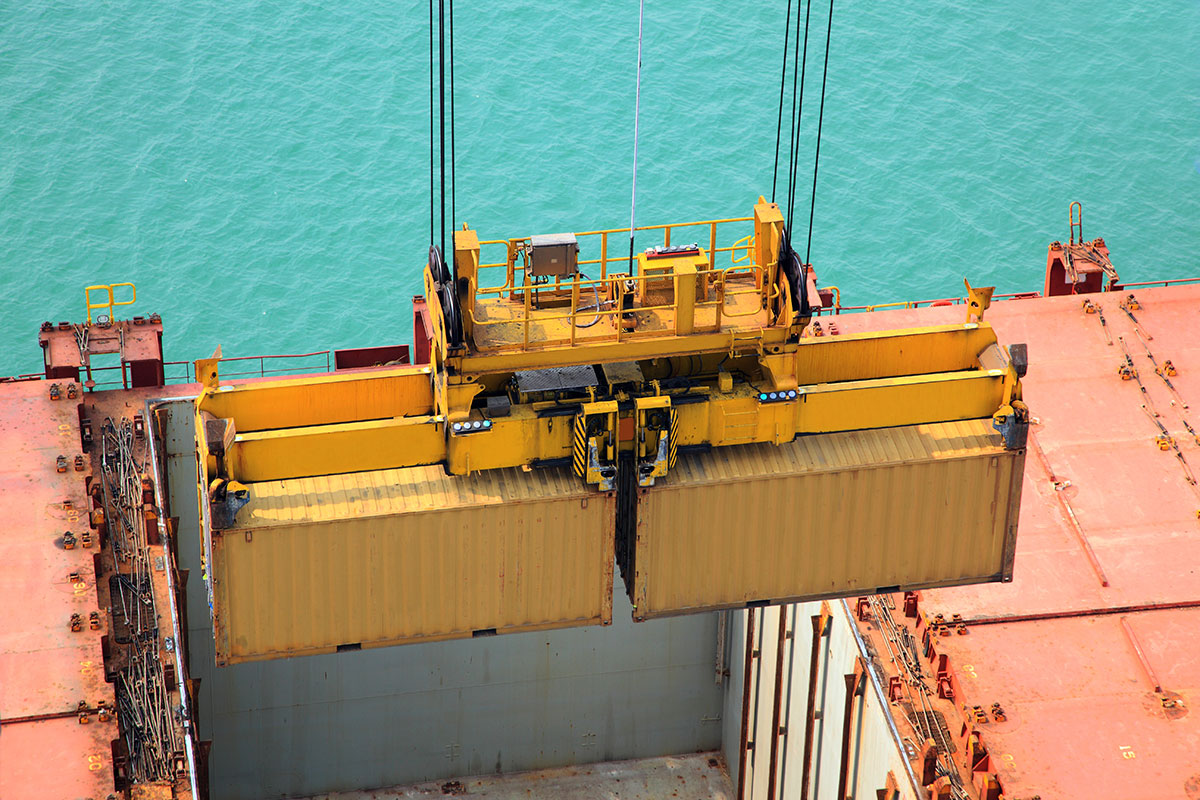
At GMR Global Trans, we approach intermodality from an operational perspective, not a theoretical one. Our goal is to help customers combine sea, road and rail when it adds value, always with a clear analysis of time, cost and reliability.
GMR helps customers to:
- Compare transport options based on lead time, total cost and service stability.
- Reinforce planning when a route or infrastructure presents uncertainty.
- Coordinate the full chain so a change of mode does not create documentary friction or delivery delays.
- Design viable alternatives when the market or infrastructure does not offer the expected regularity.
In an environment where infrastructure is progressing, but not always at the pace companies need, working with an operator like GMR Global Trans allows customers to make decisions with more criteria and less improvisation.
GMR Global Trans: planning, flexibility and real intermodality so your cargo keeps moving.