Maersk and Hapag-Lloyd partially return to Suez: a signal of change for Asia–Europe routes
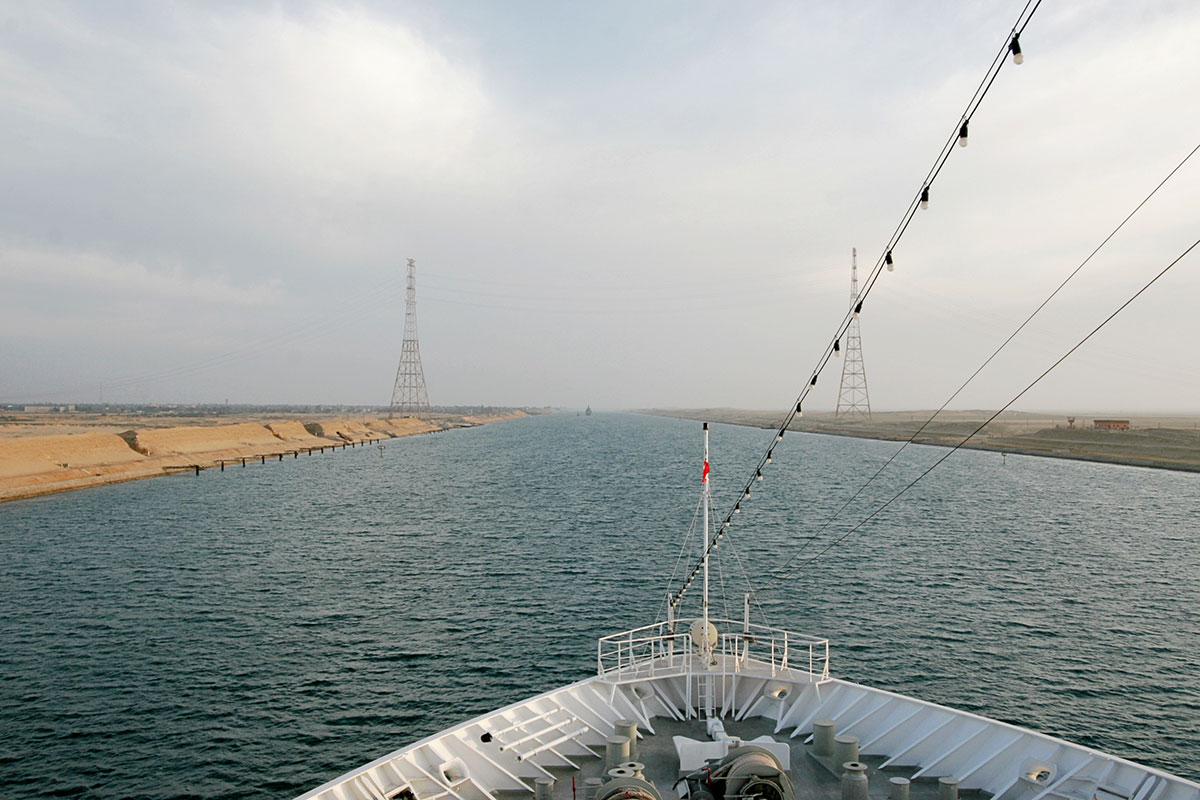
The situation in the Red Sea and the Suez Canal is starting to show signs of change. Maersk and Hapag-Lloyd have announced the partial resumption of services through the Suez Canal within their Gemini joint network, reflecting improving security conditions in the area. In recent years, many carriers have diverted vessels via the Cape of Good Hope, a longer and more expensive route that has affected transit times between Asia and Europe. A gradual return to Suez may help reduce transit times on certain services, but it also requires close coordination: not all services are returning at the same pace, and carriers will continue adjusting routes based on security and regional stability.
For importers and exporters, this does not mean that everything is back to normal overnight. It means route changes, real lead times, ports of call, transhipments and possible freight adjustments need to be monitored closely.
At GMR Global Trans, we manage these changes with a continuity-first approach:
- We compare route and service options to explain the real impact on transit time, reliability and total cost.
- We replan early when rotations or time windows change, avoiding last-minute decisions.
- We coordinate the full chain so a maritime routing change does not become documentary or operational chaos.
- We support customers with clear information so they can make fast, well-informed decisions.
GMR Global Trans: alternatives, visibility and control so changes in Suez don’t disrupt your planning.