The Strait of Hormuz Crisis Forces Shipping Routes Between Asia and the Middle East to Adapt: New Challenges for International Trade
International maritime transport is once again demonstrating how geopolitical developments can reshape global trade routes. Tensions surrounding the Strait of Hormuz are prompting major shipping lines to review their connections with the Middle East, seeking alternatives that maintain cargo flows while reducing exposure to potential disruptions.
One of the most significant developments in October 2026 is the reorganization of maritime services by Maersk and Hapag-Lloyd, which have announced the relaunch of an Asia–Middle East connection with changes to their traditional port calls.
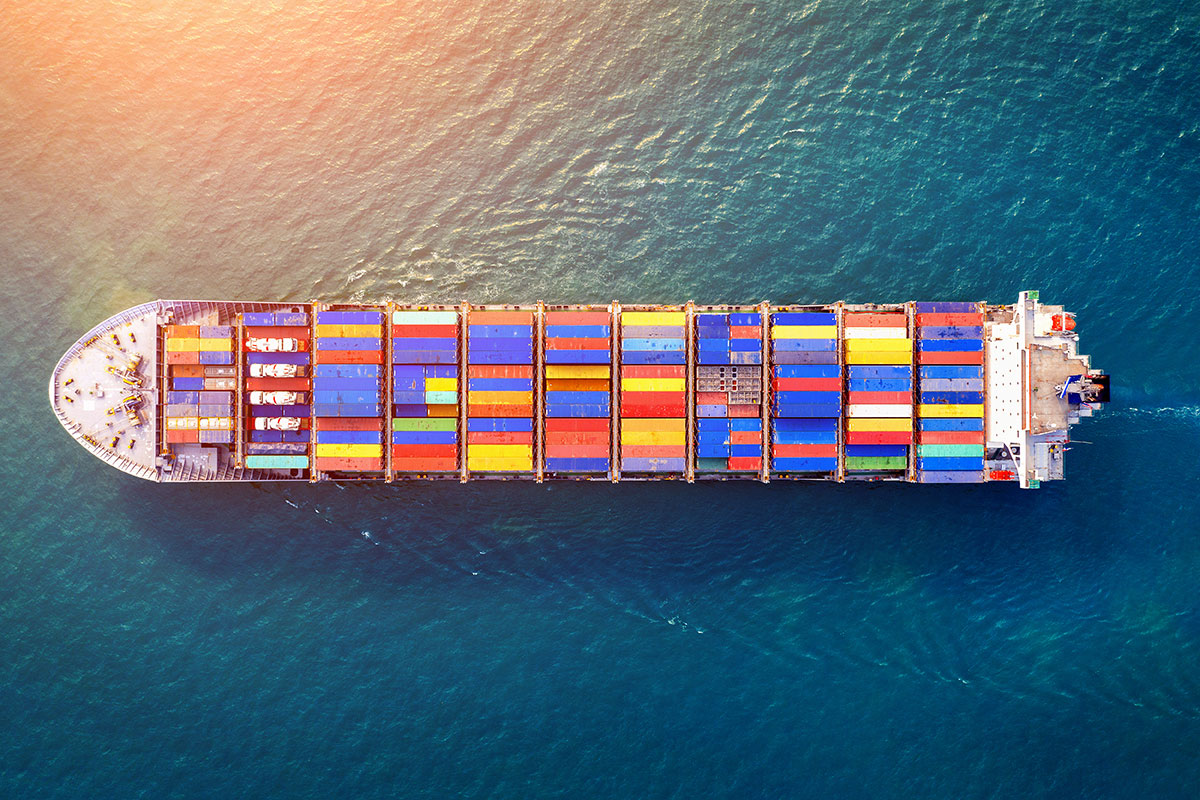
Instead of calling at Jebel Ali in Dubai, the revised service will include Khor Fakkan, located outside the Strait of Hormuz.
This development highlights an increasingly important reality for international trade: route security and operational flexibility have become essential factors in logistics planning.
New routes, new challenges for importers and exporters
Changes to maritime connections can directly affect transit times, transportation costs, and delivery coordination.
The concentration of cargo at alternative ports may also increase pressure on terminals, inland transport services, and connections to final destinations.
For businesses trading with Asia and the Middle East, understanding available alternatives and planning shipments in advance is becoming increasingly important.
In this environment, international freight forwarders play a particularly valuable role.
GMR Global Trans: logistics alternatives to keep international trade moving
At GMR Global Trans, we understand that geopolitical crises can change maritime transportation conditions almost overnight. That is why our priority is to identify solutions that help maintain international operations, even when traditional shipping routes are no longer the most suitable option.
In situations such as the Strait of Hormuz crisis, we focus on:
- Diversifying maritime connections: evaluating alternative routes and ports to reduce dependence on shipping lanes exposed to disruption.
- Assessing alternative ports: exploring different port options and their connections with inland transportation networks.
- Adapting commercial operations: identifying suitable solutions according to destination, cargo characteristics, and actual shipping conditions.
- Contingency management: identifying potential operational risks and preparing alternatives when shipping lines modify their services.
Our added value lies in transforming international maritime market knowledge into practical logistics solutions for our customers.
GMR Global Trans: connecting markets even when global circumstances require a change of course.
This article has been generated and translated with the support of AI and reviewed by an editor.