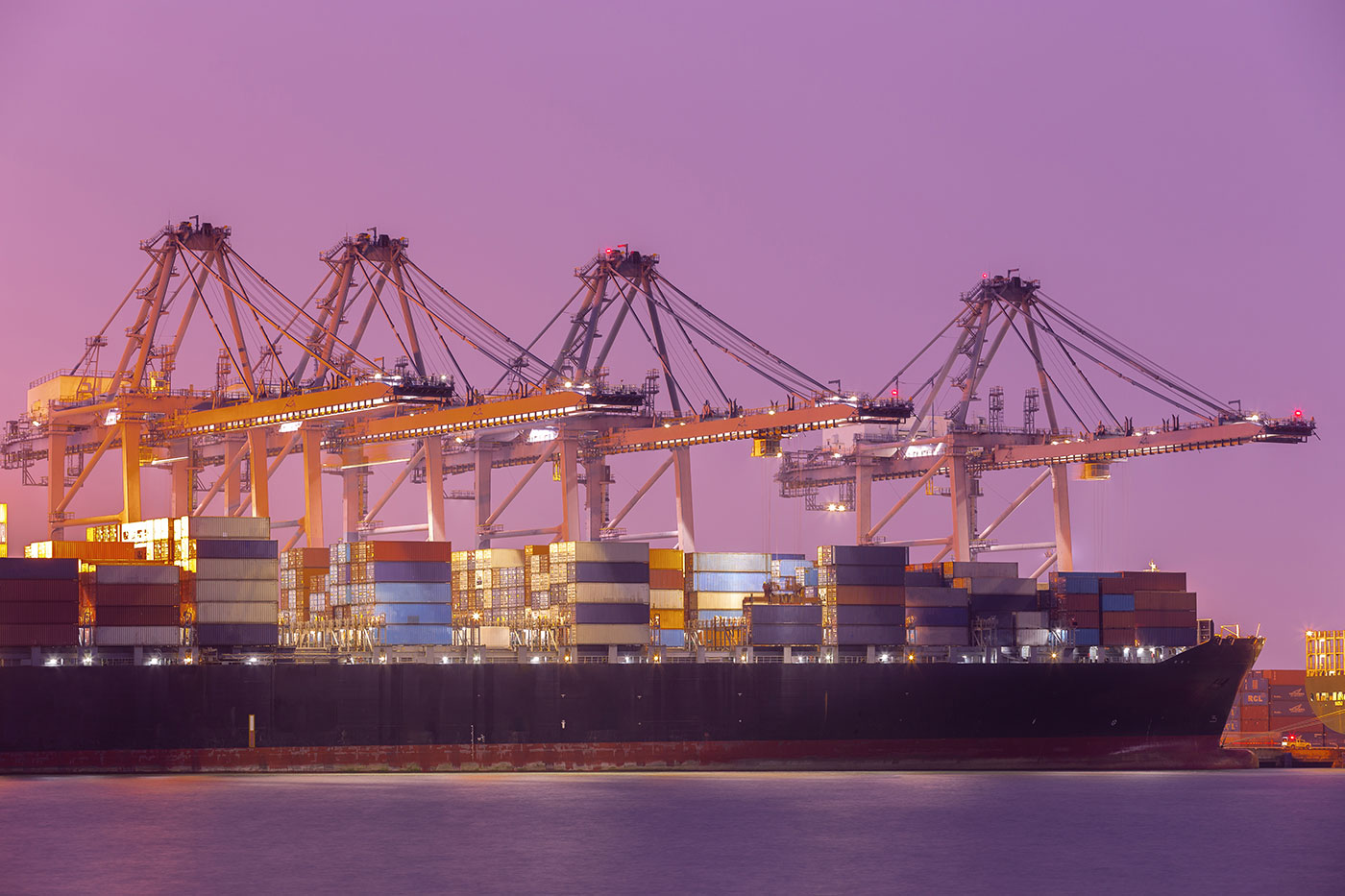
Maritime ETS in 2026: from “surcharge” to a structural cost impacting freight to Spain
In 2026, the EU ETS for maritime transport enters a phase that many companies will feel more clearly in their budgets: it shifts from being seen as “just another surcharge” to becoming a structural cost of operating routes in the European environment. Several industry analyses warn that tighter rules and full implementation increase the financial impact on shipping lines and, by extension, on shippers.
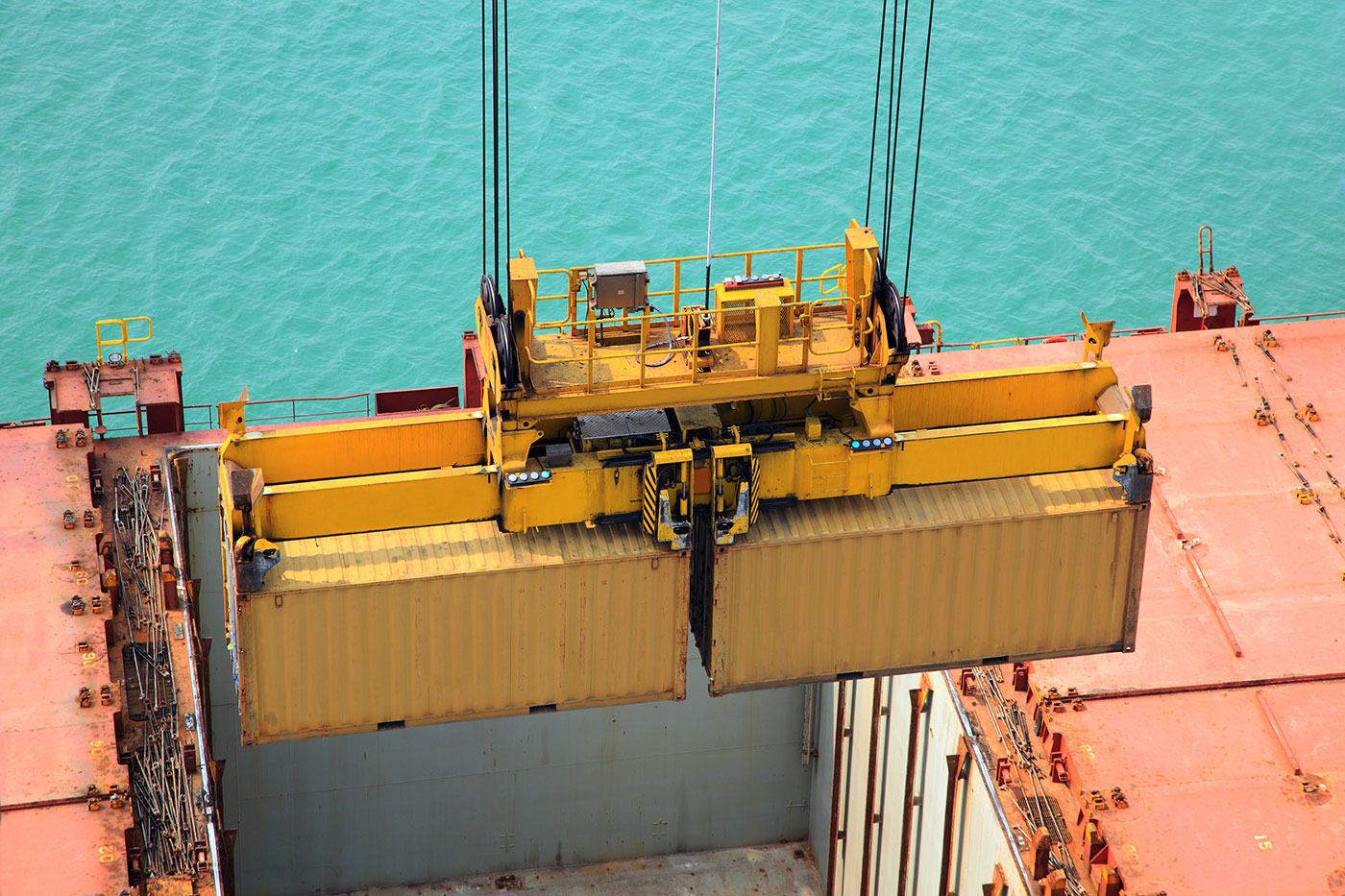
What does this mean for customers? That even if the market moves in cycles, the regulatory component makes certain costs less negotiable and more persistent, especially on routes into Europe/Spain.
At GMR Global Trans, we address it with a business-first approach (not just “price”):
- Scenario comparison by route and service: transit time, reliability and total landed cost (including regulatory components).
- Operational alternatives when it makes sense (services, ports, multimodal combinations) to balance cost–time–stability.
- Early planning with the customer to reduce last-minute decisions, because urgency is usually the most expensive option in a structural-cost environment.
GMR Global Trans: criteria and planning so ETS doesn’t become a surprise on your P&L.